

Ketamine-Assisted Therapy
In my Ketamine-Assisted Therapy practice, I draw upon 27 years of trauma-informed care and specialized training to offer therapeutic experiences with ketamine, and other psychedelics as they become medically available in Colorado. My approach integrates modalities such as Internal Family Systems, Somatic Experiencing, advanced EMDR, art therapy, and Jungian practices, which allow us to delve into the profound healing potential of ketamine. I tailor these sessions to support individuals facing developmental trauma, adult-onset PTSD, treatment-resistant depression, and complex life challenges, creating a gentle and supportive space where true healing can unfold. Together, we will navigate deeply held fears and beliefs, empowering you to live as your most free, embodied self.
I offer Ketamine-Assisted Psychotherapy (KAP), an evidence-based therapeutic approach that combines ketamine with psychotherapy to support deep healing, nervous system regulation, and psychological transformation.
KAP can help individuals experiencing developmental trauma, PTSD, depression, anxiety, OCD, addictions, chronic stress, chronic illness, and other treatment-resistant mental health conditions. By gently softening rigid patterns of thought and increasing psychological flexibility, ketamine may help clients access new insight, emotional processing, self-compassion, and healing that can feel difficult to reach through talk therapy alone.
My approach to Ketamine-Assisted Psychotherapy integrates trauma-informed psychotherapy, somatic therapy, Internal Family Systems (IFS), EMDR, contemplative psychotherapy, attachment-focused work, and psychedelic integration practices. Together, we work to create meaningful and lasting change that extends beyond symptom reduction and supports a deeper reconnection to self, body, relationships, and purpose.
I provide the psychotherapy and integration portions of the KAP experience, while partnering medical providers oversee medical evaluation, eligibility, prescribing, monitoring, and safety throughout the process. Depending on your needs and location, I may collaborate with Journey Clinical, Klarisana, or trusted local prescribers to ensure coordinated and supportive care.
What is Ketamine-Assisted Therapy?
-
Coaching focuses on non-clinical guidance, personal growth, and self-discovery. In psychedelic coaching, we explore how psychedelics can be used responsibly for insight and transformation, providing preparation and integration support outside of a therapeutic, medically supervised context. Often my coaching clients are seeking the work with the psychedelic medicine(s) (such as Iboga/Ibogaine, 5-MeO-DMT, Ketamine, Ayahuasca, Huachuma, or Psilobycin) in a country where these medicines are legally available and seeking support for their journeys before and after their medicine ceremony. Through a coaching platform, I am able to support clients around the country, as well as internationally.
-
If you’re dealing with complex challenges such as trauma, PTSD, or treatment-resistant depression, Ketamine-Assisted Therapy may be the best option. Therapy provides a safe, medically supervised setting where licensed professionals support your healing journey through a trauma-informed approach, using psychedelics as a therapeutic tool to facilitate meaningful change.
-
Ketamine is a legal, safe and effective medicine used to treat a variety of mental health conditions, including depression, anxiety and PTSD. Ketamine has rapidly-acting antidepressant and mood-enhancing effects, which can begin to take effect within 1-2 hrs after treatment and last for up to 4 weeks.
-
We are learning that ketamine works on many systems in the body, beyond the traditional pathways like impacting serotonin. It works by blocking the brain’s NMDA receptors as well as by stimulating AMPA receptors, which are thought to help form new synaptic connections and boost neural circuits that regulate stress and mood. Ketamine has also been shown to enhance overall neuroplasticity for lasting symptom improvement.
These same properties also provide the brain with a high flow of Brain Derived Nootropic Factors (BDNFs) for 7-10 days following the session. Usually, when not using a psychedelic paired with therapy there is no BDNF change, and we are actually working on changing the nervous system at a much slower pace with far less durability of effect in conditions resistant to standard treatments.
Due to the BDNF benefit a unique stage is then created to support robust new neural growth allowing for greater ease in integrating the understanding gained during the KAT appointment, and more easily change thoughts, behaviors, and emotions related to that processing.
Finally, usually known as an anesthetic at high doses, the fractional doses used in psycholitic (KAP) and psychedelic (KAT) doses are supportive for reducing chronic pain and inflammation. When working with KAT for chronic illness and chronic pain, often more information becomes available about how the subconscious mind is relating with this illness/pain state. Opening up this understanding can be extremely helpful for making meaning out of the challenges that one faces while living with Chronic Pain and/or Illness.
-
There are two ways of working therapeutically with ketamine: Ketamine-Assisted Therapy and Ketamine-Assisted Psychotherapy (KAP).
The difference between the two is whether or not we are together in session during the ketamine administration.
In KAT, IV or IM ketamine administration is completed in a clinic under medical supervision and our sessions take place before and after for preparation and integration.
In Ketamine-Assisted Psychotherapy the route of administration of ketamine is through oral lozenges that you self-administer in either a telehealth session from your home, or in my office, and I am with you through the dosing session for support and integration.
-
Ketamine can be administered in a variety of ways, including IV infusion, intramuscular injection, via nasal spray and using sublingual lozenges.
In my work with Journey Clinical we use the sublingual lozenge form.
I also maintain partnership with Klarisana, where IM Ketamine is offered. Klarisana also accepts Medicaid, United Healthcare and Anthem which may make them an ideal partner should you have insurance benefits.
-
Choosing between IV/IM (intravenous/intramuscular) route of administration ketamine or using lozenges depends on your budget, treatment goals, medical history, and comfort level.
IV/IM delivery offers a more controlled, rapid onset and is often recommended for individuals needing higher precision in dosing, or feel more comfortable with a medical team available onsite.
If you choose this route, we would meet for Preparation and Integration Sessions before and after your Dosing sessions, but would likely not be together during the dosing sessions.
Lozenges, on the other hand, are self-administered and provide a more flexible, gradual experience, making them ideal for working through what arises during the treatment while in session with me.
During your consultation, we’ll explore the best option for you based on your needs and preferences.
-
What is the Process for Lozenge-Based Ketamine-Assisted Psychotherapy (KAP)?
If you choose to work with ketamine lozenges through Journey Clinical in combination with psychotherapy through my practice, treatment is approached as a collaborative, trauma-informed process that includes careful assessment, preparation, medicine sessions, and integration support. The goal is not simply symptom reduction, but creating the conditions for meaningful and lasting change.
1. Comprehensive Assessment & Medical Evaluation
The process begins with both a clinical and medical assessment to determine whether ketamine-assisted psychotherapy is an appropriate fit for your needs, goals, history, and current level of support.
Medical Evaluation with Journey Clinical
You will schedule an evaluation with a licensed Nurse Practitioner or physician from Journey Clinical via secure telehealth. During this appointment, they will:
Review your medical and psychiatric history
Assess current medications and possible contraindications
Evaluate safety considerations and appropriateness for ketamine treatment
Provide education about ketamine, potential effects, risks, and expectations
Develop an individualized prescribing and monitoring plan
If approved, Journey Clinical will prescribe a carefully titrated ketamine lozenge protocol tailored to your needs. Initial prescriptions are typically sent directly to your home pharmacy and generally include enough medication for the first several sessions.
You will also receive guidance regarding:
Blood pressure and safety monitoring
Medication interactions and contraindications
Safe administration procedures
Telehealth safety requirements
What to expect physically and psychologically during treatment
Careful screening and monitoring are considered best practice in ketamine-assisted treatment and are essential for supporting both safety and therapeutic effectiveness.
Psychotherapy Assessment & Treatment Planning
In our early sessions together, we will also explore:
Your goals and intentions for treatment
Trauma history and attachment patterns
Current symptoms and stressors
Emotional regulation capacity and support systems
Previous therapy experiences
Relationship to altered states, spirituality, or psychedelics
Current life circumstances and readiness for deeper therapeutic work
Preparation is not simply logistical. Research and clinical practice increasingly suggest that outcomes are significantly shaped by therapeutic alliance, preparation, psychological safety, expectations, and post-session integration support.
2. Preparation Sessions
Preparation sessions occur before any ketamine dosing session and are considered one of the most important parts of the process.
These sessions help create emotional safety, build trust, clarify intentions, and strengthen your ability to navigate non-ordinary states of consciousness with greater openness and resilience.
Preparation may include:
Psychoeducation about ketamine and altered states
Discussing intentions, fears, hopes, and expectations
Learning grounding and resourcing practices
Exploring themes or patterns you would like to work with
Establishing safety and consent agreements
Creating a supportive “set and setting”
Discussing music, environment, touch boundaries, and support needs
Planning for post-session integration and care
Ketamine experiences can range from calming and insightful to emotionally intense or disorienting. Challenging material is not considered a “bad trip,” but often part of the therapeutic process when approached with support and curiosity.
Research and provider consensus increasingly emphasize that integration actually begins before the medicine session itself.
3. Ketamine-Assisted Psychotherapy (Dosing Session)
Ketamine sessions may occur either remotely via secure telehealth or in-person in my office, depending on clinical appropriateness, safety considerations, and your treatment plan.
A typical lozenge-based KAP session lasts approximately 2 hours, including preparation, medicine time, and initial grounding afterward.
During the session:
You will self-administer your prescribed ketamine lozenge
You will be in a comfortable reclining position
Eyeshades and a carefully curated music program are often used to support inward focus
I remain present throughout the experience to provide support, grounding, and therapeutic guidance as needed
Experiences may include:
Deep relaxation
Altered perception of time or body awareness
Emotional release
Symbolic or dreamlike imagery
Access to memories, emotions, or insights
Experiences of spaciousness, interconnectedness, or self-transcendence
Some individuals remain verbally engaged throughout the session, while others move into a quieter internal process. Both are normal and welcome.
Although ketamine can produce dissociative effects, current evidence does not suggest that dissociation itself is the mechanism of healing. Rather, ketamine appears to support increased neuroplasticity, cognitive flexibility, emotional processing, and shifts in entrenched patterns.
An integrative approach that combines ketamine with psychotherapy, intentional preparation, and integration support may enhance outcomes beyond medication alone.
Telehealth Safety Requirements
If participating remotely:
You must have a safe, quiet, private environment
A trusted support person/chaperone must be physically present and available during the session
You may not drive or operate machinery afterward
If participating in-office:
You must arrange transportation home (Lyft and Uber are ok)
Driving is prohibited until the following day
4. Integration Sessions
Integration is where insights begin to become lasting change.
Following your ketamine session, we will meet for integration therapy to help process and make meaning of what emerged during the experience and how it connects to your daily life, relationships, nervous system patterns, and healing goals.
Integration sessions may include:
Exploring emotional themes, imagery, or memories
Supporting nervous system regulation
Processing grief, trauma, or difficult material
Translating insights into behavioral change
Deepening self-compassion and self-understanding
Supporting relationship repair and communication
Encouraging pacing, self-care, and embodiment practices
Tracking shifts in mood, functioning, and meaning-making
Integration is not viewed as a single follow-up session, but an ongoing process that unfolds over time and often continues between medicine sessions and long after treatment ends.
Research increasingly supports the importance of psychotherapy and integration support in helping sustain ketamine’s benefits and translating neuroplasticity into meaningful psychological and behavioral change.
5. Ongoing Monitoring & Follow-Up
Journey Clinical’s medical team will continue to monitor your treatment response and prescribing needs through periodic follow-up appointments.
This may include:
Reviewing symptom improvement and side effects
Monitoring safety and medication response
Adjusting dosing protocols when appropriate
Coordinating care collaboratively with me as your therapist
Frequency of follow-up appointments varies depending on your treatment plan and clinical needs, though medical reassessment is required at minimum every few months.
Throughout treatment, we also continue evaluating:
Clinical progress
Emotional safety and stabilization
Integration capacity
Whether ongoing KAP remains clinically appropriate and beneficial
Ketamine-assisted psychotherapy is most effective when approached as part of a larger healing process that includes therapeutic relationship, nervous system support, meaning-making, and integration into daily life.
-
If you choose to work with intramuscular (IM) ketamine through Klarisana in combination with psychotherapy through my practice, treatment is approached as a collaborative, trauma-informed process that includes comprehensive assessment, careful preparation, medicine sessions, and ongoing integration support.
IM ketamine can create rapid shifts in mood, perspective, emotional processing, and nervous system functioning. While many individuals seek KAP for symptom relief, the deeper goal is supporting meaningful and lasting change through an integrative therapeutic process.
Please note: Klarisana currently offers IM ketamine treatment. If IV ketamine is determined to be the most appropriate route of administration for your needs, I can coordinate referral and collaborative care with one of my trusted clinical partners who provides IV ketamine services.
1. Comprehensive Assessment & Medical Evaluation
After I submit your referral to Klarisana, you will schedule an initial medical evaluation with a provider from the Klarisana medical team via secure telehealth.
During this consultation, Klarisana’s medical team will:
Review your medical and psychiatric history
Assess current medications and potential contraindications
Evaluate appropriateness and safety for ketamine treatment
Provide education about IM ketamine and what to expect
Discuss risks, benefits, and monitoring procedures
Develop an individualized treatment and outcome monitoring plan
Careful screening and ongoing monitoring are considered essential best practices in ketamine-assisted treatment.
If approved for treatment, you will then coordinate your first medicine session with Klarisana. We typically complete 2–3 preparation sessions together before beginning ketamine administration sessions, though timing and pacing may vary depending on your clinical needs, goals, and history.
Psychotherapy Assessment & Treatment Planning
In our initial therapy sessions, we will also explore:
Your reasons for seeking KAP
Trauma history and attachment patterns
Current symptoms and life stressors
Previous therapy experiences
Emotional regulation and nervous system capacity
Support systems and relationships
History with altered states or psychedelics
Intentions, fears, hopes, and treatment goals
This phase helps establish the therapeutic alliance and creates the emotional foundation necessary for deeper work. Research increasingly suggests that preparation, therapeutic relationship, expectation management, and integration significantly influence outcomes in psychedelic-assisted therapies.
2. Preparation Sessions
Preparation sessions occur before any ketamine medicine session and are considered a central part of the therapeutic process.
Preparation is not simply educational or logistical. These sessions help create safety, trust, grounding, and psychological readiness for working with non-ordinary states of consciousness.
Preparation sessions may include:
Psychoeducation about ketamine and altered states
Discussing intentions and treatment goals
Learning grounding and nervous system regulation skills
Clarifying consent, boundaries, and support needs
Exploring fears, expectations, or uncertainties
Establishing therapeutic trust and rapport
Discussing music, eyeshades, and the medicine environment
Preparing for emotional material that may arise
Planning for post-session support and integration
Ketamine experiences can range from calming and expansive to emotionally intense or disorienting. Challenging experiences are not viewed as “bad trips,” but often as meaningful therapeutic material when approached with appropriate support and pacing.
Preparation also helps cultivate what psychedelic clinicians often refer to as “set and setting,” meaning the internal mindset and external environment that shape the experience and its therapeutic potential.
3. Ketamine Administration Sessions
Ketamine administration sessions take place at one of Klarisana’s clinic locations under medical supervision.
A typical ketamine administration session lasts approximately 1.5–2 hours, including medical intake, medicine administration, recovery time, and stabilization afterward.
During the medicine session:
Ketamine is administered intramuscularly (IM) in the clinic
You will be in a comfortable reclining position
Eyeshades and carefully curated music are often used to support inward focus
Clinic staff monitor your physical safety and vital signs throughout the experience
Support staff are available if emotional or physical support is needed during the session
Many people experience:
Deep relaxation
Altered perception of time or body awareness
Emotional release or insight
Dreamlike imagery or symbolic experiences
Increased access to memories or emotions
States of spaciousness, interconnectedness, or self-transcendence
While medicine sessions are often deeply internal experiences, you are not expected to “perform” or force insight. The process unfolds differently for each person and often differently from session to session.
Current research suggests ketamine’s therapeutic effects likely involve multiple mechanisms, including enhanced neuroplasticity, increased cognitive flexibility, interruption of rigid depressive patterns, emotional processing, and nervous system shifts.
Research also increasingly supports combining ketamine with psychotherapy and integration support rather than relying on medication effects alone.
4. Integration Sessions
Integration is the process of helping the experience become meaningful, embodied, and sustainable in daily life.
Following each ketamine administration session, we will meet for an integration therapy session to process what emerged and support ongoing therapeutic change.
Administration and integration sessions are designed to work together:
One medicine session
Followed by one or more integration sessions
Integration sessions may include:
Exploring memories, emotions, imagery, or insights
Supporting nervous system regulation and stabilization
Processing trauma material or emotional breakthroughs
Identifying patterns, defenses, or core beliefs
Translating insight into behavioral change
Strengthening self-compassion and relational awareness
Encouraging pacing and self-care
Supporting meaning-making and embodiment
Preparing for future medicine sessions if appropriate
Integration is not viewed as a single conversation after ketamine, but as an ongoing and often nonlinear process that unfolds over time.
Research and clinical consensus increasingly emphasize that integration support is one of the most important factors in helping psychedelic experiences translate into lasting therapeutic benefit.
5. Ongoing Care & Maintenance Planning
The frequency and duration of ketamine treatment varies based on your unique symptoms, history, nervous system patterns, goals, and response to treatment.
Some individuals experience substantial relief after an initial treatment series, while others benefit from periodic maintenance sessions over time.
Together, we will continue monitoring:
Symptom improvement
Emotional and nervous system stability
Functional changes in daily life
Relationship patterns and coping
Integration progress
Whether ongoing KAP remains clinically appropriate and beneficial
There may also be periods where additional integration therapy is recommended even after medicine sessions have concluded, as deeper therapeutic material often continues unfolding afterward.
Ketamine-assisted psychotherapy is most effective when approached not as a stand-alone medical intervention, but as part of a larger healing process that includes preparation, relational safety, psychotherapy, nervous system support, and intentional integration.
-
My Hourly Rate
$225/hrTreatment via Journey Clinical
Medical Intake: $250 (One-time fee, reimbursable through out-of-network)
Follow-up Sessions: $150/Session (minimum of 1 per quarter, reimbursable through out-of-network)
Cost of Ketamine Lozenges: $75 for approximately 4-6 treatment doses (not covered by insurance).
Treatment via Klarisana
In-Network with Colorado Medicaid, Anthem, and United Healthcare
Colorado Medicaid has $0 personal cost.
Commercial health plan costs vary depending on your plan. Please reach out to them directly for benefits check and cost responsibility.

“I've been battling chronic illness for over 15 years now but it wasn't until I incorporated KAP into my treatment plan that I started to see deeper and lasting improvements both on a mental/emotional level and on a physical level.
Initially, KAP saved my life when I was under an acute emotional crisis and couldn't find my ground, my strength, or my will. After the first session, it was like I went from being enclosed in a small dark box where I saw no options or ways out of my grief, trauma, and illness to suddenly being in a big open field of flowers with light beaming down on me and lots of possibilities and hope.
After continuing KAP regularly over the last year and half, it has allowed me to access and process deeply rooted traumas, limiting beliefs, grief and loss. These are things I could have never accessed in a fully conscious state even after doing EMDR and talk therapy for years.
I went from having a hard time even being able to access my emotions and communicate them correctly to now being able to easily discern how I'm feeling and why and enact change in my behavior or thinking pattern. It allowed me to have the ability to get out of crisis/fight or flight mode and implement the daily emotional, energetic, and spiritual care that continues to keep me making progress and feeling good.
KAP also allowed me to make connections and correlations between my emotional traumas and my physical symptoms. As I've made progress on my emotional body, my chronic illness symptoms have gone way down - I'm experiencing improved energy, improved mental function, lower pain, a more stable endocrine system and many other things. For the first time in 15 years, I'm making real, deep, and sustained progress and getting rid of my chronic infections. My treatments are working better and I'm needing less and less medical care each month.
No amount of physical treatments could have gotten me to the state of health I'm currently in, I needed KAP to help me access deeper reasons why my body was "holding onto" illness. It has truly been a game changer and I cannot recommend it enough.”
~ Testimonial by a Client who is also an Advanced Medical Professional
MEET YOUR Therapist
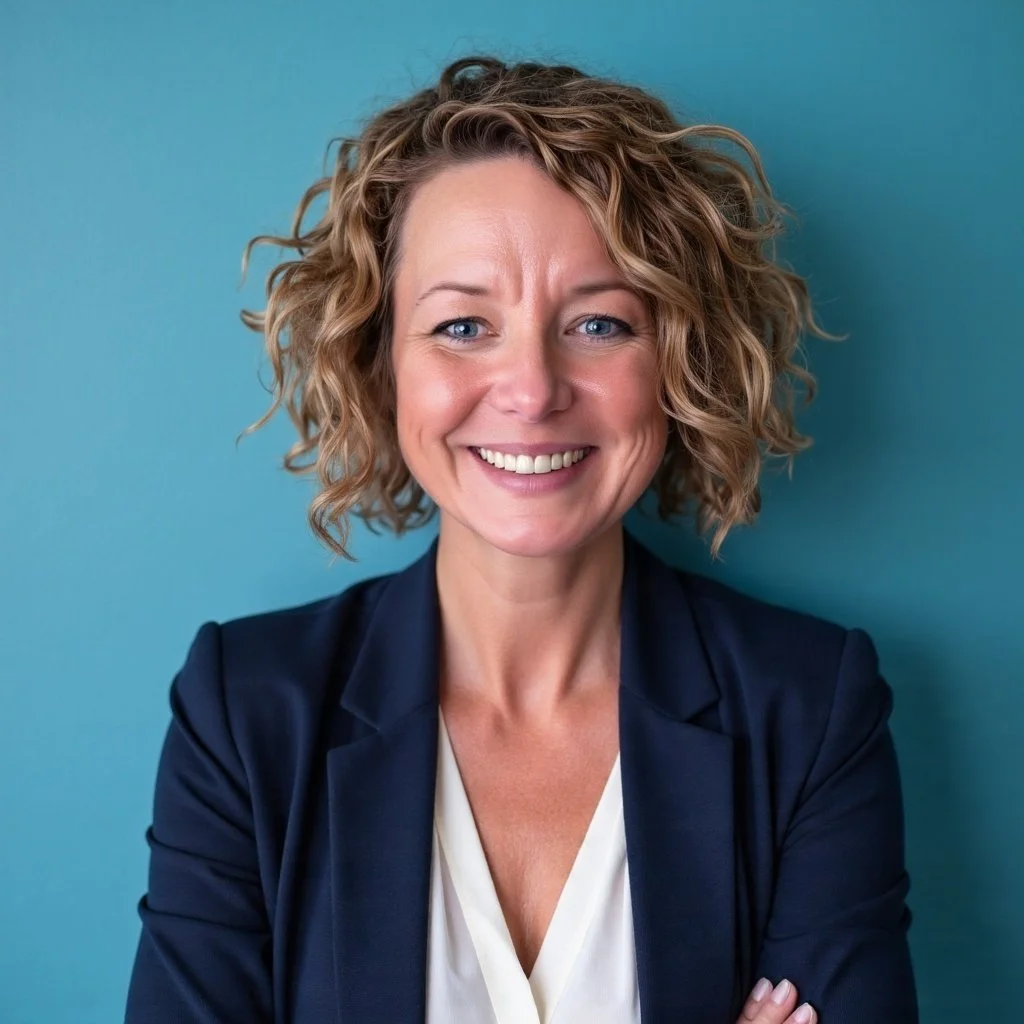
Lyndsey Ryan, LPC, LAC, ACS
Licensed Professional Counselor
Licensed Additions Counselor
Advanced Clinical Supervisor
About Lyndsey Ryan, MA, LPC, LAC, ACS
Lyndsey Ryan is a Colorado trauma therapist and psychedelic-assisted therapy specialist with more than 27 years of experience working with developmental trauma, PTSD, addiction, chronic illness, nervous system dysregulation, and treatment-resistant mental health conditions.
Her work integrates Ketamine-Assisted Psychotherapy (KAP), Internal Family Systems (IFS), EMDR, Somatic Experiencing, contemplative psychotherapy, attachment-focused therapy, and psychedelic integration to support deep healing and post-traumatic growth.
Lyndsey specializes in working with adults navigating early childhood trauma, combat trauma, chronic stress, chronic illness, self-defeating patterns, relational wounds, and the long-term impacts of nervous system overwhelm.
Grounded in both neuroscience and contemplative healing traditions, her approach bridges science, somatic healing, and the sacred dimensions of transformation to help individuals reconnect with safety, embodiment, vitality, and meaning.